


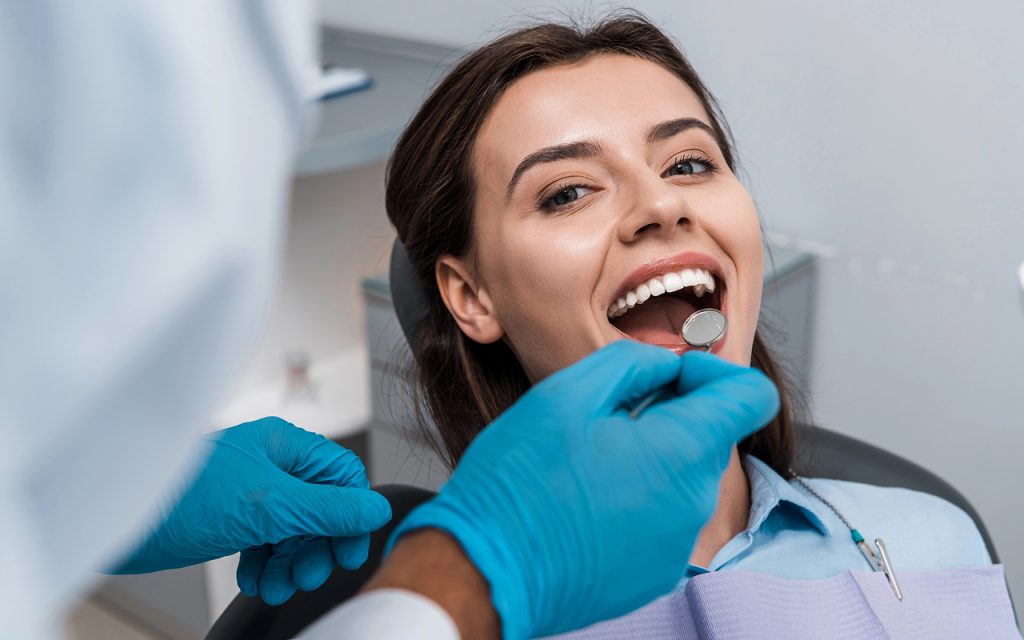
Jaw alignment is often discussed only in terms of straight teeth, but its real influence goes much deeper than appearance. What is less commonly considered is how the position of the jaws determines how forces move through the entire mouth every time you chew, speak, or even rest. When this balance is off, the effects are not always immediate, but they slowly shape tooth wear, muscle tension, and long-term oral stability in ways most people never connect to their bite.
What Jaw Alignment Actually Means (Beyond Straight Teeth)
Jaw alignment is not simply about whether teeth look straight when you smile. What is often overlooked is that true alignment refers to how the upper and lower jaws meet and function together in motion, not just at rest. Even when teeth appear evenly positioned, the bite can still be uneven if the jaws are not properly coordinated. This affects how pressure is distributed during everyday actions like chewing and speaking. Over time, small imbalances in jaw positioning can change how teeth contact each other, creating uneven wear patterns or muscle strain. Jaw alignment also influences how comfortably the jaw opens and closes, making it a functional system rather than a cosmetic one.
Why Jaw Alignment Matters More Than Most People Realize
Jaw alignment matters more than most people realize because it determines how forces travel through the entire mouth every time you bite, chew, or clench. What is often overlooked is that even small imbalances can quietly shift how pressure is distributed across individual teeth, causing some areas to work harder than others. Over time, this uneven load can lead to gradual enamel wear, sensitivity, or tiny fractures that develop without obvious symptoms at first. Jaw misalignment can also place constant strain on surrounding muscles, which may adapt in ways that create tension patterns throughout the face and head. These changes often build slowly, making the underlying cause difficult to recognize until discomfort becomes more noticeable.
Common Signs of Jaw Misalignment in Adults
- One of the most common but overlooked signs of jaw misalignment is subtle changes in how the teeth meet when biting down. Many adults assume their bite is normal, but what is often missed is that the jaw may be shifting slightly to find a comfortable closing position, creating uneven contact patterns that develop over time.
- Clicking or popping sounds when opening or closing the mouth can also be an early indicator. What is less commonly considered is that these sounds are not always painful at first, which leads many people to ignore them even though they reflect changes in joint movement and coordination.
- Frequent headaches, especially around the temples or behind the eyes, can sometimes be connected to jaw imbalance. The jaw muscles may work harder than necessary to compensate for misalignment, creating tension patterns that radiate beyond the mouth.
- Facial tightness or fatigue when chewing is another subtle sign. What is often overlooked is that this fatigue can develop gradually, making it feel normal even though it indicates muscle overuse caused by uneven bite forces.
- Uneven tooth wear is another key indicator. Teeth may appear slightly flattened, chipped, or more worn on one side, but these changes often happen slowly enough that they go unnoticed without comparison over time.
- Difficulty opening the mouth fully or feeling a slight restriction during movement can also suggest alignment issues. This limitation is often mild at first but reflects how the jaw joints are adapting to a less balanced position.
- Waking up with jaw stiffness or soreness is another commonly dismissed symptom. What is less discussed is that nighttime clenching or grinding often develops as the jaw tries to stabilize itself during sleep, especially when alignment is off.
- Some adults notice a feeling that their bite “does not sit evenly,” even if dental exams have not shown obvious problems. This sensation is often subtle but can reflect small discrepancies in how the upper and lower jaws come together.
- Ear-related symptoms such as mild pressure or fullness can also appear, since the jaw joint sits close to the ear canal. These sensations are frequently misattributed to unrelated conditions.
- Finally, changes in chewing habits—such as preferring one side or avoiding certain foods—can signal that the jaw is unconsciously adapting to discomfort or imbalance, even before any visible dental issues appear.
How Jaw Alignment Affects Teeth, Gums, and Overall Health
Jaw alignment influences much more than how the teeth look or fit together. What is often overlooked is how bite position determines where pressure is repeatedly placed, which directly affects how teeth wear over time. When forces are uneven, certain teeth absorb more stress, increasing the risk of enamel thinning, fractures, or sensitivity. This imbalance can also extend to the gums, where excessive pressure may contribute to irritation or gradual recession in specific areas. Beyond the mouth, jaw misalignment can influence muscle tension patterns that affect the face, neck, and even posture. Over time, these interconnected stresses create subtle changes that impact both comfort and long-term oral stability in ways that are not immediately visible during a routine exam.
Causes of Jaw Misalignment
Jaw misalignment can develop for many reasons, and what is often overlooked is that it usually results from gradual shifts rather than a single event. Natural growth patterns during childhood can influence how the upper and lower jaws develop relative to each other, sometimes creating small size or positioning differences that persist into adulthood. Another less discussed factor is long-term habits such as teeth grinding or clenching, which can slowly change how the bite closes over time. Missing teeth or delayed dental treatment can also allow surrounding teeth to drift, subtly altering alignment. Even posture and repeated muscle tension in the jaw area may contribute to long-term imbalance by influencing how the jaw naturally rests and functions.
Preventive Bite Correction and Early Intervention
Preventive bite correction focuses on identifying small imbalances before they develop into more complex jaw or tooth problems. What is often overlooked is that early intervention is not about dramatic correction, but about guiding how forces are distributed in the mouth while changes are still subtle. When minor bite discrepancies are addressed early, the jaw can adapt more naturally, reducing long-term strain on teeth and muscles. This approach may involve monitoring wear patterns, evaluating how the bite closes over time, and making small adjustments before discomfort appears. Early awareness is especially important because the body often compensates silently, masking the underlying issue until more noticeable symptoms develop later in life.
Conclusion
Jaw alignment plays a much larger role in oral health than most people realize, influencing how teeth wear, how muscles function, and how comfortable everyday movements feel. What is often overlooked is that many of the earliest signs are subtle and easy to dismiss, even though they reflect long-term changes in balance and function. Paying attention to these patterns early can help prevent more complex issues from developing over time.
If you would like to learn more or schedule an appointment, visit us or call (954) 787-6469 to speak with our team.