


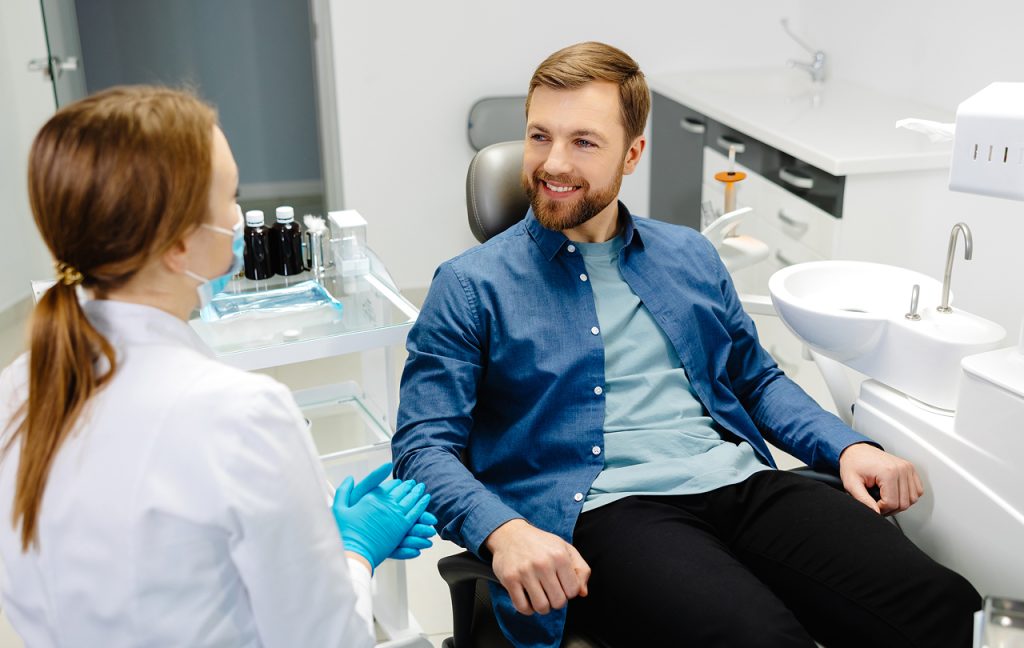
Cosmetic dental bonding is often seen as a quick fix for chipped or discolored teeth, but its impact goes beyond aesthetics. This minimally invasive procedure can subtly reshape your smile, improve bite alignment, and even protect vulnerable enamel from further wear. While many discussions focus on appearance alone, few explore how bonding interacts with oral health, bite function, and daily confidence—making it a practical, versatile option for anyone seeking a natural-looking, long-lasting improvement.
Understanding Cosmetic Dental Bonding
Cosmetic dental bonding uses a tooth-colored composite resin to repair, reshape, or enhance teeth in a minimally invasive way. Beyond just fixing chips or gaps, bonding can subtly influence bite mechanics, distribute chewing forces more evenly, and even protect weakened enamel from further wear. Unlike veneers or crowns, bonding typically requires little to no removal of natural tooth structure, preserving your teeth while improving aesthetics. Many people overlook that bonding can also serve as a preventive tool, strengthening areas prone to cracks or sensitivity. For patients seeking a fast, versatile solution, understanding how this material integrates with natural teeth and supports overall oral function is key to choosing the right approach.
Step-by-Step Cosmetic Dental Bonding Process
Understanding each stage of cosmetic dental bonding helps patients feel more confident and prepared. Beyond appearance, each step contributes to tooth function, durability, and long-term oral health.
- Initial Consultation and Smile Evaluation
- The dentist examines teeth, bite alignment, and enamel health to determine suitability for bonding.
- This stage also identifies areas prone to stress or wear, ensuring the bonding material will support both aesthetics and function.
- Patients discuss goals, shade preferences, and expected outcomes.
- Keywords: “who is candidate for dental bonding,” “qué es el bonding dental cosmético”
- Surface Preparation
- Teeth are cleaned and lightly etched to create microscopic grooves for the resin to adhere securely.
- Isolation techniques, such as rubber dams, are used to keep teeth dry, ensuring better bond strength.
- This step is subtle but critical—proper preparation reduces the risk of early chipping or discoloration.
- Application of Composite Resin
- Tooth-colored resin is carefully layered and shaped to restore natural contours and correct imperfections.
- Unlike many cosmetic procedures, bonding can subtly influence bite dynamics, distributing chewing forces more evenly.
- Dentists can sculpt minute details that preserve natural light reflection, giving a lifelike appearance.
- Curing with Specialized Light
- Each resin layer is hardened using a curing light, creating a strong, durable surface.
- This step ensures long-lasting adhesion and minimizes micro-movement that can cause fractures.
- Shaping and Polishing
- Once cured, the bonded teeth are finely shaped and polished to match surrounding teeth.
- This not only enhances aesthetics but smooths surfaces to reduce plaque buildup and staining over time.
- Post-Procedure Check and Adjustments
- Bite is tested and adjusted as needed, a step often overlooked but crucial for comfort and longevity.
- Patients receive guidance on gentle cleaning and habits that maintain the integrity of the bonded teeth.
Recovery and Aftercare
Recovery from cosmetic dental bonding is typically quick, but subtle care choices can significantly extend the life of your treatment. Bonded teeth may be slightly sensitive for a few days, especially to temperature changes, but this usually resolves on its own. Avoid biting directly into hard foods, ice, or sticky candies to prevent chipping. Gentle brushing with a soft-bristled toothbrush and regular flossing around the bonded areas help prevent staining and plaque buildup. Some patients overlook how habits like grinding or nail-biting can reduce longevity, so protective measures such as nightguards can be beneficial. Routine dental checkups allow your dentist to polish or repair any minor wear before it becomes noticeable.
Cosmetic Results and Longevity
Cosmetic dental bonding offers immediate improvements, transforming chipped, discolored, or uneven teeth into a natural-looking, harmonious smile. Unlike treatments that require multiple visits or significant enamel removal, bonding preserves your natural tooth structure while providing a seamless appearance. Results can last several years, but longevity depends on lifestyle habits, oral hygiene, and bite forces. Many patients don’t realize that minor adjustments or polishing during routine dental visits can extend the life of bonded teeth and maintain their color and shape. With mindful care, bonding can deliver both aesthetic and functional benefits, supporting confidence in everyday activities from smiling to chewing.
Cost and Accessibility Considerations
Understanding the cost of cosmetic dental bonding goes beyond the initial price—it’s about long-term value and accessibility:
- Upfront Costs
- Bonding is generally less expensive than veneers or crowns, making it an approachable option for patients seeking cosmetic improvement without extensive procedures.
- Prices can vary depending on the number of teeth treated and complexity of the repair.
- Long-Term Value
- While bonding may require touch-ups every few years, it preserves natural tooth structure, reducing the need for more invasive treatments later.
- Insurance and Payment Options
- Some dental plans may cover bonding for restorative purposes, such as repairing chips or decay.
- Flexible payment plans or in-office financing can make cosmetic improvements more accessible without compromising quality.
- Practical Accessibility
- Bonding can often be completed in a single visit, minimizing time off work or travel, which is valuable for busy Fort Lauderdale families.
- Its quick application and minimal recovery make it a convenient option for patients balancing lifestyle, work, and oral health.
Making the Right Choice for Your Smile
Choosing cosmetic dental bonding isn’t just about improving aesthetics—it’s about aligning treatment with your oral health, lifestyle, and long-term goals. Consider factors like bite strength, enamel condition, and habits such as teeth grinding, which can affect durability. Think about how quickly you want results, whether you prefer a minimally invasive option, and how much maintenance fits into your daily routine. Bonding can be a versatile solution for both cosmetic enhancements and minor restorative needs, but understanding how it interacts with natural teeth, supports chewing function, and protects enamel ensures your choice is sustainable, practical, and tailored to the unique demands of your smile.
Conclusion
Cosmetic dental bonding offers a fast, versatile, and minimally invasive way to enhance your smile while supporting tooth function and protecting enamel. By understanding the process, recovery, and long-term care, you can make an informed choice that fits your lifestyle, oral health, and aesthetic goals. Whether addressing chips, gaps, or discoloration, bonding provides a practical solution with immediate results. If you’re ready to explore how cosmetic dental bonding can transform your smile, visit Tarpon River Dental or call us at (954) 787-6469 to schedule a personalized consultation with our experienced team.