


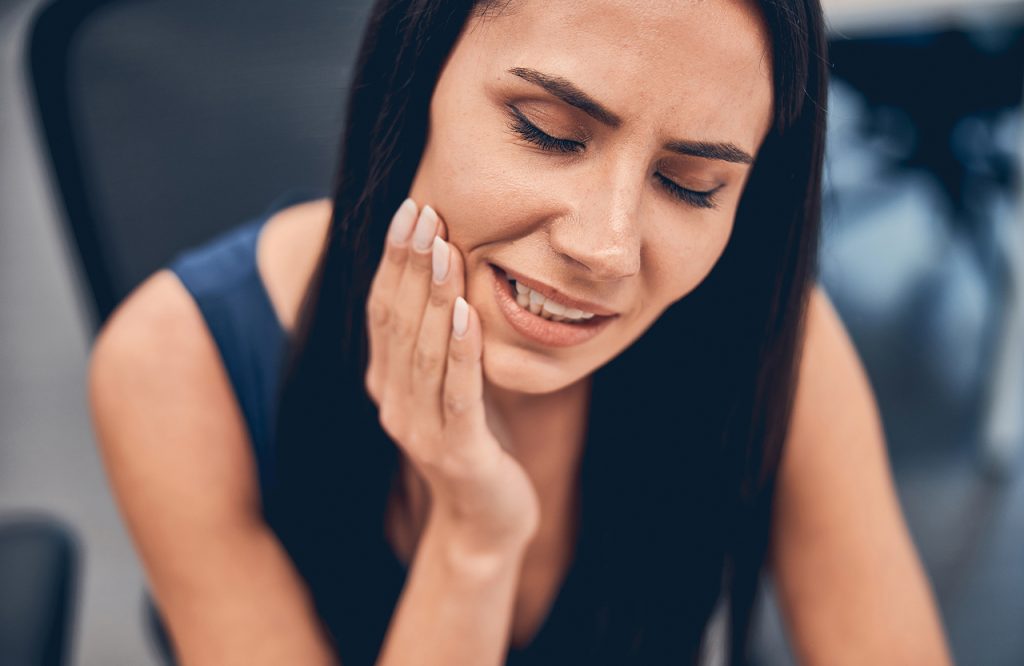
Tooth sensitivity isn’t just an inconvenience—it’s often your body’s quiet way of signaling imbalance. Many adults adapt by avoiding cold drinks or chewing on one side, never realizing these small adjustments can mask progressive enamel wear or gum changes. Understanding tooth sensitivity early helps shift the conversation from temporary relief to long-term oral resilience, comfort, and confidence in everyday moments that should never feel painful.
What Is Tooth Sensitivity?
Tooth sensitivity is often described as a sharp, sudden pain, but what’s rarely discussed is its inconsistency. The same tooth may react strongly one day and feel completely normal the next, which is why many people ignore it for months or even years. Sensitivity isn’t a condition on its own—it’s a response. It happens when the protective layers of the tooth are compromised and the inner nerve becomes more aware of its environment.
Everyday habits play a larger role than most people expect. Brushing pressure, stress-related clenching, acidic snacks, or even frequent “healthy” sips of lemon water can slowly change how a tooth reacts. Sensitivity reflects how well a tooth is being protected over time, not just what triggered the pain in that moment.
Tooth Sensitivity After Dental Treatment—What’s Normal and What’s Not
It’s common for teeth to feel unusually sensitive after dental procedures, but what’s seldom mentioned is how this sensitivity can reveal how your nerves are adjusting rather than just the tooth itself. Even routine cleanings can leave teeth feeling “tender” because the protective plaque layer has been temporarily removed, exposing enamel to immediate stimuli.
After fillings, crowns, or whitening, nerves can overreact to temperature, pressure, or sweet foods for days or even weeks. However, persistent or worsening pain, sharp throbs, or sensitivity that spreads beyond the treated area can signal that the tooth or surrounding tissue needs further evaluation. Tracking subtle changes over time helps distinguish normal recovery from a potential issue.
Why Are My Teeth Sensitive? The Most Common Causes
Tooth sensitivity is rarely caused by a single factor—more often, it’s the result of multiple subtle changes happening over time. Many people overlook how everyday habits, diet, and oral care routines contribute to discomfort. Here are some of the most common and often under-discussed causes of tooth sensitivity:
- Enamel Erosion and Acid Exposure
Over time, enamel can wear down from acidic foods, beverages, or even frequent “healthy” drinks like citrus water. This thinning exposes the inner dentin, which reacts more intensely to temperature and pressure. Enamel erosion can be slow and unnoticed until sensitivity becomes noticeable. - Gum Recession
Receding gums expose tooth roots, which lack protective enamel. Many adults experience this gradually and attribute discomfort to brushing habits or age. Sensitivity along the gumline can indicate that the roots are becoming vulnerable to external stimuli like cold drinks or brushing. - Bruxism and Teeth Grinding
Grinding or clenching, often during sleep, wears down enamel unevenly and can cause microfractures in teeth. This stress on enamel increases nerve exposure and can make even gentle chewing uncomfortable. - Diet and Lifestyle Factors
Frequent consumption of acidic or sugary foods, energy drinks, or carbonated beverages accelerates enamel thinning. Even seemingly harmless habits, like sipping coffee or tea throughout the day, can create repeated acid exposure, gradually increasing sensitivity. - Dental Procedures or Trauma
Fillings, crowns, or whitening treatments can temporarily increase sensitivity as teeth adjust. Trauma from sports, accidents, or accidental biting can also make nerves hyper-reactive. - Gum Disease and Inflammation
Early-stage gum disease may go unnoticed, but inflammation can expose nerves or make teeth more reactive. Bleeding, tenderness, or swelling along with sensitivity often point to underlying gum issues. - Sudden Changes in Oral Care
Switching to a harder toothbrush, abrasive toothpaste, or over-brushing can create small enamel wear spots. These seemingly minor changes can trigger noticeable sensitivity, even in otherwise healthy teeth. - Hidden Cracks or Microfractures
Tiny cracks in enamel often go undetected on X-rays but allow stimuli to reach the nerves, causing sharp, unpredictable pain. Even minor stress, temperature changes, or biting can provoke a sudden reaction.
These causes often overlap, meaning multiple factors may contribute to sensitivity in the same tooth. Paying attention to subtle daily habits and early warning signs can help identify the source before discomfort becomes persistent.
Home Remedies for Tooth Sensitivity That Actually Help
Many people reach for quick fixes, but lasting relief comes from subtle, consistent changes rather than aggressive treatments. Using a desensitizing toothpaste daily can gradually calm overactive nerves, while switching to a soft-bristled toothbrush and gentle brushing technique prevents further enamel wear. Rinsing with warm saltwater a few times a week can reduce inflammation and strengthen gums without harsh chemicals. Limiting acidic foods and beverages, or drinking them through a straw, protects enamel from gradual erosion. Even simple hydration—drinking plenty of water—supports saliva production, which naturally buffers acids and helps repair enamel. These small, mindful practices often provide more relief than immediate, reactive measures.
When to See a Dentist for Tooth Sensitivity
Not all tooth sensitivity requires urgent care, but there are subtle signs that indicate it’s time to consult a professional. If pain is persistent, worsening, or spreads beyond a single tooth, it may signal enamel loss, gum recession, or nerve issues that need targeted treatment. Sensitivity accompanied by swelling, bleeding, or discoloration often points to underlying infection or gum disease. Even mild but recurring discomfort after routine activities like brushing or drinking hot or cold beverages deserves attention, as early evaluation can prevent more extensive damage. Tracking patterns, triggers, and duration of sensitivity helps dentists pinpoint the cause more accurately and recommend solutions tailored to your teeth.
Conclusion
Tooth sensitivity is more than just a fleeting discomfort—it’s a signal from your teeth that something needs attention. By understanding the underlying causes, from enamel erosion and gum recession to lifestyle habits and post-treatment reactions, you can take steps to protect your smile and maintain lasting comfort. Simple home remedies and mindful daily care can help, but persistent or worsening sensitivity warrants professional evaluation. Don’t wait for pain to interfere with your daily life. Visit Tarpon River Dental or call (954) 787-6469 to schedule an appointment and get personalized guidance for healthier, more comfortable teeth.