


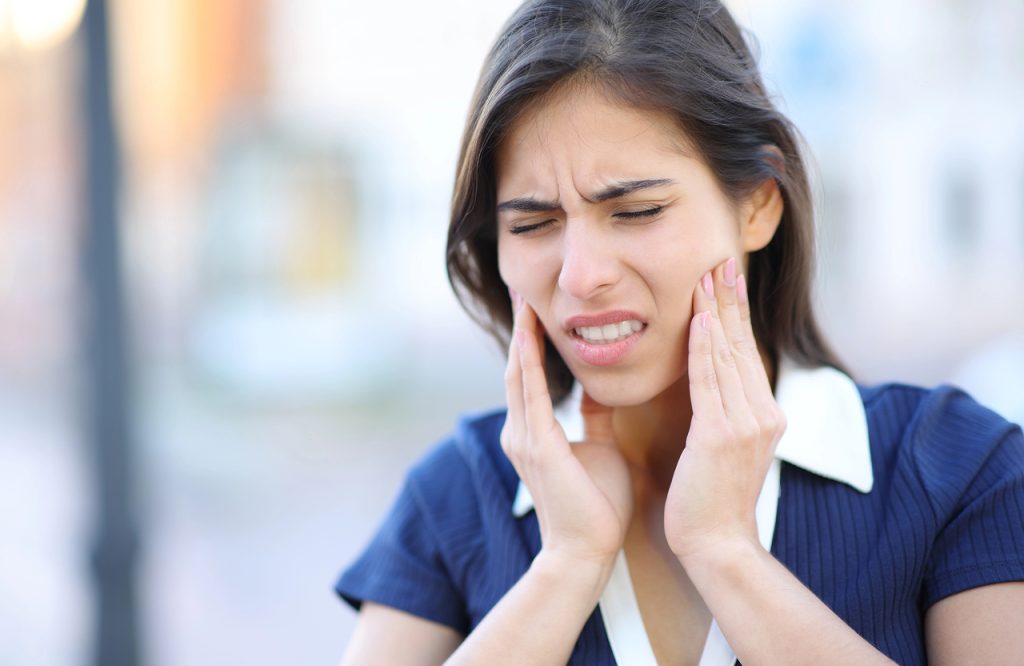
Even when you brush and floss daily, subtle habits can quietly wear down your teeth over time. From unconscious grinding to sipping acidic drinks throughout the day, these seemingly harmless routines can weaken enamel, create sensitivity, and set the stage for long-term dental issues. What most adults don’t realize is that small, repeated behaviors—often overlooked—have a cumulative effect that can compromise both oral health and the appearance of your smile.
Habit 1 – Over-Brushing or Brushing Too Hard
Many people believe that brushing harder means cleaner teeth, but over-brushing can actually damage your smile. Applying excessive pressure wears down enamel, the protective layer that keeps teeth strong, and can lead to gum recession, exposing sensitive roots. What’s rarely discussed is that brushing too vigorously can create micro-scratches that make teeth more susceptible to staining and decay over time. Even with soft-bristled brushes, using a heavy hand or scrubbing in harsh back-and-forth motions accelerates wear. To protect your teeth, aim for gentle, circular motions and let the bristles do the work, ensuring your daily routine cleans effectively without causing long-term harm.
Habit 2 – Frequent Snacking on Sugary or Acidic Foods
Snacking between meals may seem harmless, but constant exposure to sugar and acid quietly erodes enamel over time. Each bite or sip triggers acid production in the mouth, softening the tooth surface and increasing vulnerability to decay. What’s often overlooked is that even seemingly healthy options, like fruit juices or dried fruit, can have a similar effect as candy. The problem worsens when snacks are eaten continuously throughout the day, leaving teeth in a near-constant state of acid attack. To protect your smile, it’s not just about what you eat, but when you eat it—spacing meals and rinsing with water afterward helps minimize enamel wear while still enjoying your favorite foods.
Habit 3 – Drinking Through a Straw Incorrectly or Constant Sipping
Using a straw can seem like a smart way to protect teeth from sugary or acidic drinks, but it only works if used correctly. Sipping slowly or holding the straw in one spot can keep liquid in contact with the same teeth for extended periods, increasing enamel erosion. Constant sipping throughout the day, even without a straw, has a similar effect, as teeth are repeatedly bathed in acid or sugar. What’s often overlooked is that timing matters just as much as the drink itself—consuming beverages quickly during meals or rinsing with water afterward can dramatically reduce damage, helping teeth stay strong while still enjoying favorite drinks.
Habit 4 – Grinding or Clenching Teeth (Bruxism)
Many adults unknowingly grind or clench their teeth, often during sleep or stressful moments, and the long-term effects can be surprisingly damaging. Bruxism gradually wears down enamel, causes tiny cracks, and can even alter the shape of teeth over time. What is rarely discussed is how this habit also strains jaw muscles, contributing to headaches, jaw pain, and increased sensitivity. Even mild, occasional grinding can have a cumulative effect, silently compromising your smile. Simple stress-management techniques, awareness during the day, and protective measures like night guards can significantly reduce damage. Identifying this habit early is key, as prevention and intervention can protect both tooth structure and overall oral comfort.
Habit 5 – Using Teeth as Tools
Teeth are strong, but they are not designed to replace scissors, bottle openers, or fingernails. Using them as tools can create micro-cracks, chips, and even fractures that weaken enamel over time. What is often overlooked is that these small stresses accumulate gradually, making teeth more vulnerable to damage even during normal chewing. Common examples include opening packages, biting off tags, or holding objects between teeth. Even habits like chewing pens or ice may seem minor but can lead to long-term wear. Protecting your teeth means reserving them for eating and speaking—using proper tools for other tasks helps maintain strength, prevent cracks, and preserve the natural shape and function of your smile.
Habit 6 – Skipping Routine Dental Hygiene Steps
Even minor lapses in daily dental care can quietly damage teeth over time. Skipping flossing, rinsing, or brushing at key times allows plaque and bacteria to accumulate in areas a toothbrush alone can’t reach. What is rarely discussed is that these small omissions don’t just increase cavities—they also weaken enamel, contribute to gum inflammation, and can accelerate staining. Over weeks and months, what seems like a minor skipped step compounds into noticeable wear and sensitivity. Maintaining a consistent routine, including flossing, mouth rinsing, and brushing at the right times, is more effective than occasional intensive cleaning. Small, consistent habits protect enamel and preserve the overall strength and appearance of your teeth.
Habit 7 – Ignoring Lifestyle Factors That Affect Teeth
Everyday lifestyle choices can quietly undermine your dental health, even if you brush and floss regularly. Habits like smoking, excessive caffeine consumption, or poor hydration weaken enamel, dry out the mouth, and reduce saliva’s natural protective effects. What’s often overlooked is how stress, sleep deprivation, and diet choices interact to accelerate tooth wear and sensitivity. Even high-protein or acidic “healthy” diets can subtly erode enamel if not balanced with proper oral care. Paying attention to these factors—staying hydrated, moderating acidic foods and drinks, managing stress, and avoiding harmful substances—helps maintain strong teeth. Small, consistent lifestyle adjustments can prevent gradual damage and support long-term oral health.
When to Consult a Dentist About Habit-Related Tooth Wear
It’s not always obvious when daily habits are causing significant damage, which is why regular dental checkups are essential. You should consult a dentist if you notice increased tooth sensitivity, visible enamel thinning, chips, cracks, or unexplained staining. Even subtle changes, like slight flattening of biting surfaces or discomfort while chewing, can indicate cumulative wear from habits like grinding, over-brushing, or constant snacking. Early intervention allows dentists to recommend protective measures, such as custom night guards, enamel-strengthening treatments, or adjustments to daily routines. Addressing these issues proactively prevents long-term damage and preserves both the health and appearance of your teeth before problems become more serious.
Conclusion
Even small, everyday habits can quietly erode enamel, weaken teeth, and affect the long-term health of your smile. From over-brushing and grinding to lifestyle choices and constant snacking, many behaviors go unnoticed until damage has already occurred. The good news is that awareness, small adjustments, and consistent oral care can protect teeth and preserve a healthy, confident smile. If you want personalized guidance on identifying risky habits and protecting your teeth, visit Tarpon River Dental or call (954) 787-6469 to schedule an appointment with a team dedicated to helping Fort Lauderdale families maintain strong, healthy teeth for life.